
Affiliate Disclosure
Some links on this page are affiliate links. As an Amazon Associate, we earn from qualifying purchases — at no extra cost to you. We do not buy, install, or physically handle the lights and decorations we cover; our rankings come from aggregated owner feedback and expert consensus, not first-hand testing. Commissions never change our verdicts. How we research · full disclosure.
Top 3 Picks
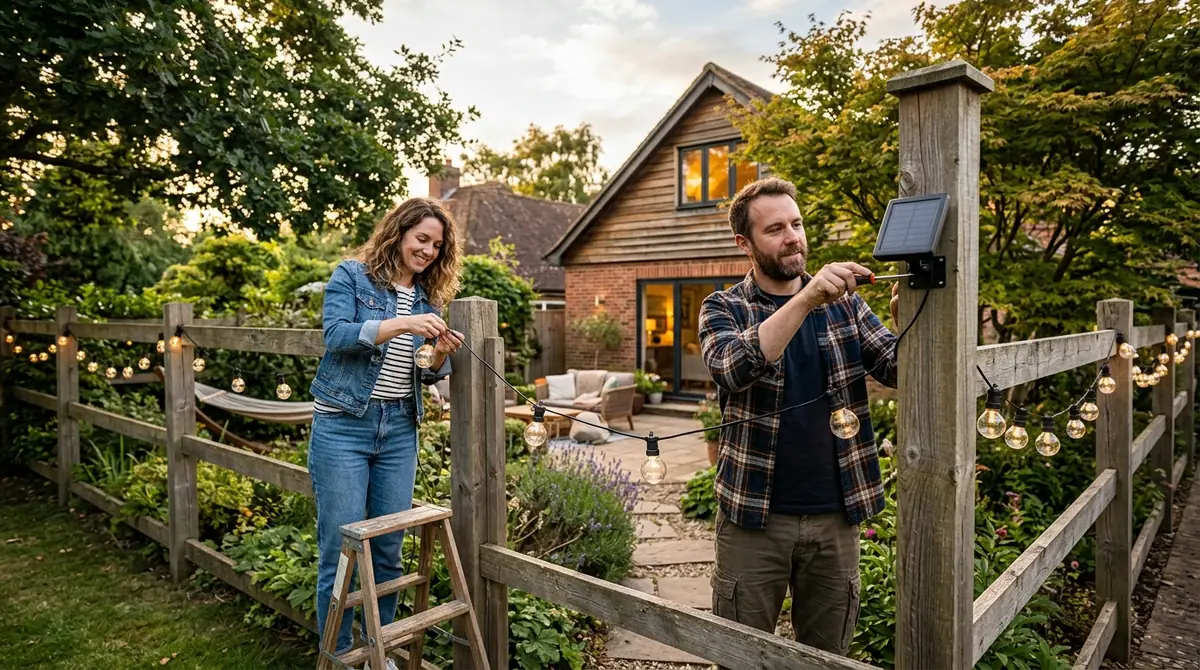
Learning how to hang Christmas lights on a fence turns a plain boundary into a glowing front-yard feature, and it is one of the easiest outdoor projects because everything happens at ground level. You can run a strand along the top rail with zip ties, weave it through pickets or chain-link, or drape net lights over a section for instant coverage. This guide covers each fence type, the no-damage attachment methods, outlining versus swags, and safe power.
Tools and materials for a fence display
- Outdoor-rated LED strands, and net lights for full-panel coverage
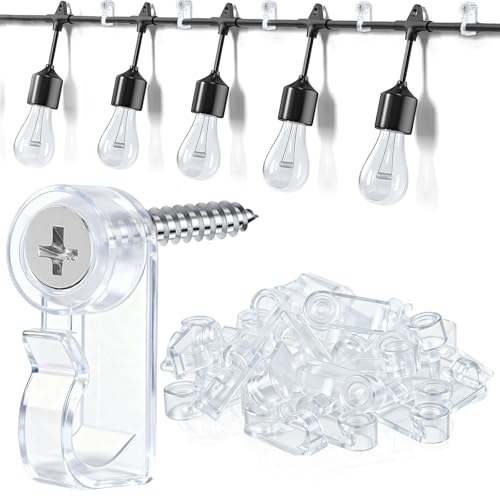
- Reusable zip ties, plastic clips, or S-hooks
- Clothespin-style light clips for picket tops
- A GFCI-protected outlet, outdoor extension cord, and timer
- A tape measure and scissors
How to hang Christmas lights on a fence, step by step
- Choose the look. Decide between a straight top-rail outline, gentle swags between posts, weaving through the fence, or net lights over panels.
- Measure the run. Measure the length to light, add about 10% for slack, and match it to the lit strand length on the box.
- Test the lights. Plug in every strand and net and confirm they work before mounting.
- Attach along the top rail. Fasten the strand to the top rail with zip ties or clips about every foot, keeping it straight.
- Weave or swag as chosen. Thread the strand through pickets or chain-link, or drape even swags between posts at a consistent depth.
- Add net lights on panels. Drape net lights over a chain-link or solid panel and tuck the edges for instant full coverage.
- Route power and add a timer. Run the cord to a GFCI outlet within the connect limit, keep it off the ground, and add a timer.
- Power up and adjust. Light it at dusk, walk the fence line, and even out any sagging section.
Lighting a wood picket or rail fence
A wood fence gives you the most options. For a crisp architectural look, run a strand straight along the top rail and fasten it with reusable zip ties or clips about every foot so it stays taut. For a softer, garland-like look, drape gentle swags between posts, keeping the depth of every swag the same so the rhythm reads as deliberate. Clothespin-style light clips grip the top of individual pickets for a quick, removable mount that follows the picket line. Whatever you choose, reusable zip ties and clips mean no holes and no adhesive, and they come off in minutes after the season. The best christmas light clips guide covers clip styles that suit fence rails and pickets.
Lighting a chain-link fence
Chain-link is made for lights because the mesh holds a wire wherever you want it. Weave a strand horizontally through the diamonds along the top for a woven line, or zip-tie it to the top rail every foot for a clean run. Chain-link is also the ideal home for net lights: drape a net over a panel and it fills the whole section with an even grid of light in seconds, with the mesh holding it in place. The best led net lights roundup lists nets sized for fence and bush coverage.
Outlining versus swags
The two classic fence looks are the straight outline and the draped swag. Outlining the top rail gives a sharp, modern line that suits metal and contemporary fences. Swagging between posts gives a traditional, festive drape that looks right on a front picket fence. The key to either is consistency: hold the strand taut for an outline, or keep every swag the same depth between posts. Mixing the two randomly looks unplanned, so commit to one style along a given run. For strands rated to hold color and brightness outdoors, see the best outdoor christmas lights roundup.
Powering the fence safely
A fence meets the ground along its whole length, so keeping the electrics dry is the main concern. Use outdoor-rated lights and cords, plug into a GFCI-protected outlet, and keep every connector up off the wet soil and out of any low spot that puddles. Route the extension cord away from walking paths, stay within the connect limit, and add a timer so the fence lights itself each evening. LED strands draw little current, so a long fence run usually stays on a single circuit.
Common mistakes to avoid
- Connectors on wet ground. They short out. Keep every connection up off the soil.
- Inconsistent swags. Uneven drapes look messy. Keep every swag the same depth.
- Indoor lights outside. They fail in weather. Use outdoor-rated strands.
- Overloading a run. Stay within the connect limit and use LEDs for long fences.
- No timer. A timer saves you from plugging in nightly across the yard.
Related outdoor lighting guides
A fence pairs with other yard features. See how to string lights on outdoor trees nearby, how to hang lights on a deck railing for a similar rail technique, and how to decorate a mailbox to finish the front yard.
Our Picks