
Affiliate Disclosure
Some links on this page are affiliate links. As an Amazon Associate, we earn from qualifying purchases — at no extra cost to you. We do not buy, install, or physically handle the lights and decorations we cover; our rankings come from aggregated owner feedback and expert consensus, not first-hand testing. Commissions never change our verdicts. How we research · full disclosure.
Top 3 Picks
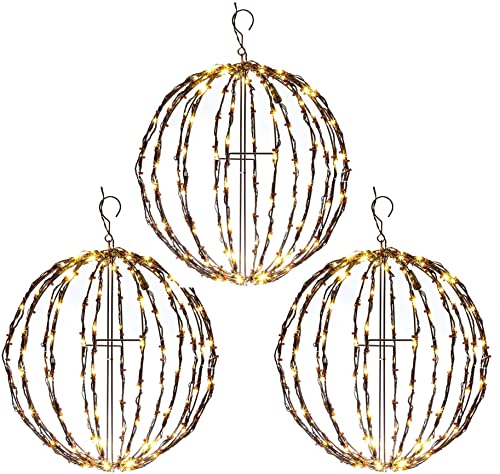
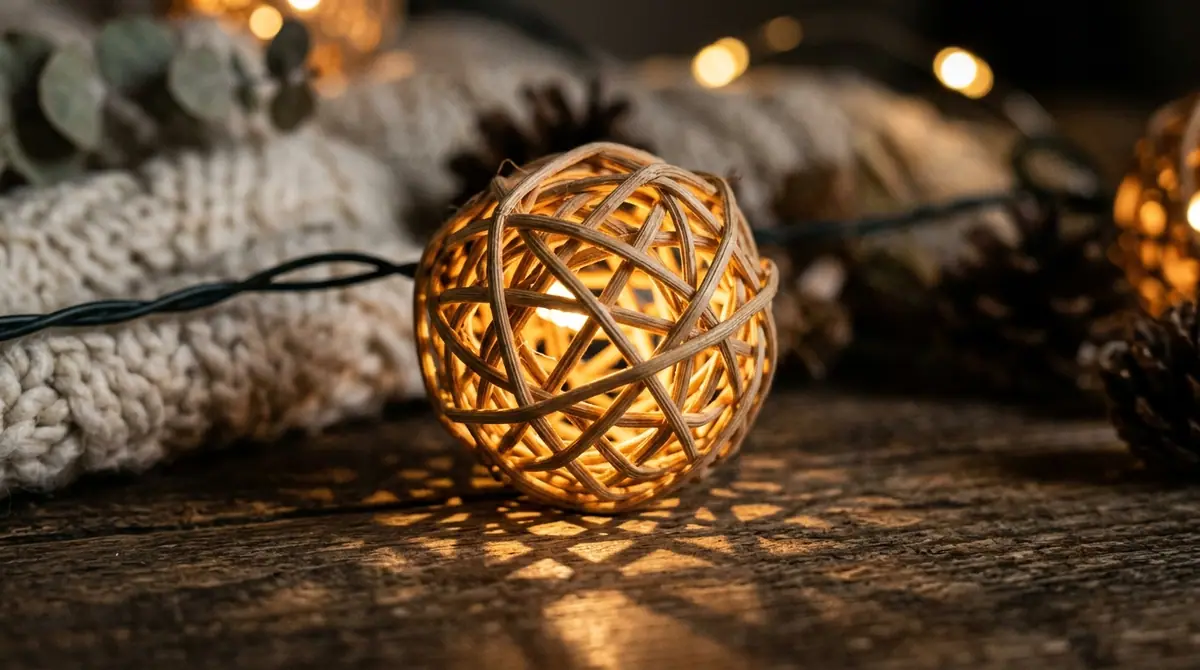
How to make a Christmas light ball is one of the best-value DIY holiday projects: a glowing sphere for a fraction of the store price, built from chicken wire or a tomato cage and a couple of LED strands. Form the frame into a globe, wrap the lights evenly, secure with zip ties, and hang or stake it outside. Here's the full step-by-step, how many lights each size needs, and how to build one that survives the weather.
What you'll need to build a DIY Christmas light ball
- A frame: a roll of chicken wire, a tomato cage, or a deflated exercise ball to use as a mold
- LED string lights — connectable, and ideally waterproof for outdoor use
- Zip ties or green floral wire to fasten the lights
- Wire cutters and work gloves (chicken wire ends are sharp)
- An outdoor-rated hook and extension cord, or landscape stakes for ground balls
How to make a Christmas light ball, step by step
- Shape the frame into a sphere. Roll a length of chicken wire into a tube, then bend and crimp the ends together into a globe. For a tomato cage, gather the top ring and tie it closed so the cage collapses into a rough ball.
- Tuck the sharp ends inward. Fold any cut wire ends back into the frame so they can't scratch you or catch the light strands.
- Find the plug end. Start wrapping at the strand's male plug and leave it near the bottom or a seam so it can reach your extension cord.
- Wrap in even, overlapping passes. Circle the strand around the ball from different angles, crossing over the frame so the lights sit evenly rather than bunching on one side.
- Zip-tie as you go. Fasten the wire to the frame every foot or so with a zip tie or floral wire, keeping the bulbs facing outward.
- Fill the gaps. Add a second connectable strand if the coverage looks thin, staying under the strand's connectable limit.
- Test it lit. Plug in and check for dark spots before you hang, adjusting the spacing while the ball is still on the ground.
Choosing a frame: chicken wire vs tomato cage
The frame sets the difficulty and the finish. Chicken wire makes the roundest, most professional-looking ball and comes in any size you cut, but it is fiddlier to shape and its cut ends are sharp. A tomato cage is the beginner's shortcut: collapse it into a ball, tie the ends, and you have a sturdy frame in minutes, though the shape is slightly more oval. For a smooth mold, some people wrap lights around a deflated exercise ball and remove it once the sphere holds together. Galvanized or coated wire resists rust far better than bare wire if the ball will live outside all season.
How many LED string lights and what size ball: light count by diameter
Match the light count to the diameter so the glow is even, not patchy. As a rough guide, a 12-inch ball wants about 100 lights, a 24-inch ball wants 200 to 300, and a 36-inch ball can take 400 or more. Connectable LED strands are ideal because you can join several into one continuous run from a single plug — just keep the total under the connectable limit on the tag. LEDs also draw far less power, so a cluster of balls won't overload a circuit; our guide on how many amps Christmas lights use helps you size the load. Start with the best battery-operated Christmas lights if a ball will hang somewhere with no outlet nearby.
Hanging, staking, and displaying your light balls outdoors with a GFCI hook
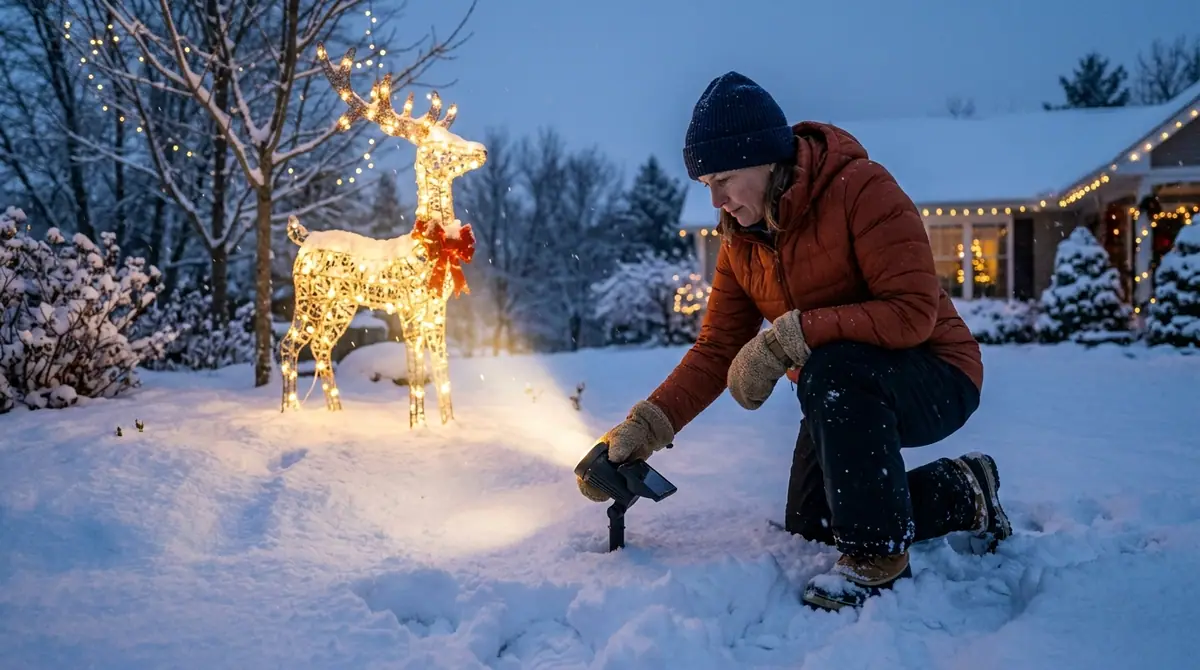
A light ball can hang from a tree branch or a shepherd's hook, cluster on the ground in graduated sizes, or line a path. For hanging, use an outdoor-rated hook and fishing line or coated wire so the mount disappears at night. For ground balls, push a landscape stake through the frame so wind can't roll them. Keep the plug and any connectors up off the grass and run them back to a GFCI outlet. If your display spot has no socket, see how to power outdoor Christmas lights without an outlet, and to keep a cluster of balls safe in a storm, securing outdoor decorations from wind covers staking and tie-downs.
Our Picks