

Affiliate Disclosure
Some links on this page are affiliate links. As an Amazon Associate, we earn from qualifying purchases — at no extra cost to you. We do not buy, install, or physically handle the lights and decorations we cover; our rankings come from aggregated owner feedback and expert consensus, not first-hand testing. Commissions never change our verdicts. How we research · full disclosure.
Top 3 Picks
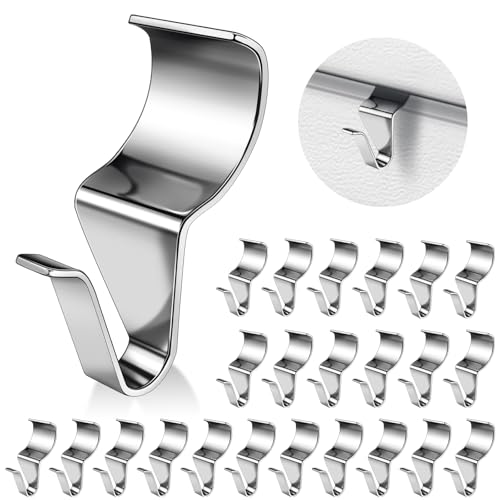
Learning how to hang Christmas lights on vinyl siding is simple once you know the trick: purpose-made vinyl siding hooks slip up under the lip of each panel and hold a strand with no holes and no adhesive. Nails and screws crack vinyl and leave permanent damage, so they are off the table. This guide covers the siding hook, adhesive alternatives, even spacing, and safe power.
Tools and materials
- Outdoor-rated Christmas lights measured to your run
- Vinyl siding hooks, plus outdoor adhesive clips as a backup
- A sturdy ladder and a spotter, or a light-hanging extension pole
- Outdoor extension cords and a GFCI-protected outlet
- An outdoor timer or smart plug
- A tape measure and a helper
How to hang Christmas lights on vinyl siding, step by step
- Measure the run. Measure the siding line you want to light, add about 10% for slack, and match it to the lit length on the box.
- Get the right hooks. Buy vinyl siding hooks sized for lap siding, and keep a few outdoor adhesive clips for spots a hook will not reach.
- Test the lights on the ground. Plug in every strand and confirm it works before mounting.
- Find the panel seam. Locate the horizontal line where one siding panel overlaps the one below — that overlap is where the hook seats.
- Slip the hook under the lip. Push each hook up behind the bottom lip of a panel until the overlap grips it and the hook faces out to hold the strand.
- Space hooks evenly. Place a hook about every 12 inches so the strand hangs in a straight line, closer for heavier bulbs.
- Hang the strand and route the cord. Drape the lights from hook to hook, then run the outdoor cord to a GFCI outlet within the connect limit and add a timer.
- Power up and inspect. Light it at dusk, step back, and reseat any hook that worked loose after the first windy night.
The vinyl siding hook: no holes, no adhesive
Vinyl siding hooks exist because vinyl gives you a free mounting point — the overlapping seam between lap-siding panels. Each hook slides up behind the bottom lip of a panel, and the panel's own overlap pinches it in place by friction, so it needs no nail and no adhesive. The strand hangs from the exposed part of the hook. They go in and come out by hand, leaving the siding untouched. Because they rely on the seam, they suit standard horizontal lap siding best; board-and-batten or panel styles without a lip may need adhesive clips instead. The best christmas light hooks roundup covers siding hooks alongside other types, and the best christmas light clips guide compares adhesive options.
When to use adhesive clips
Some spots have no seam to grip — the top course under a soffit, a trimmed corner, or a panel style without a lip. Outdoor adhesive hooks rated for exterior use fill those gaps, gripping the surface for a season and peeling off in January. Prep is everything: wipe the spot clean and dry, and in cold weather warm the surface and the hook with a hair dryer before pressing, since adhesive cures poorly on cold vinyl. Give it the full cure time before loading the strand.
Handling vinyl in the cold
Vinyl siding grows brittle as the temperature drops, which is why the timing of the job matters. Hang your lights on a milder, dry day if you can, and flex the panels gently when seating a hook — forcing a stiff, cold panel is how it cracks. This is also why nails and screws are so damaging: driving a fastener into cold vinyl splits it and opens a water path behind the siding. Siding hooks avoid all of that by working with the panel rather than through it.
Powering the display safely
Run an outdoor-rated extension cord from a GFCI-protected outlet and keep every connector off the wet ground. LED strands are the practical choice because they draw little current and connect into long runs without overheating, so you can cover a wide siding elevation on a few strands. Stay within the connect limit on the tag, and add a timer so the display runs itself. For sets owners rate outdoors, see the best outdoor christmas lights roundup.
Common mistakes to avoid
- Nailing or screwing into vinyl. It cracks the panel and lets water behind it. Use siding hooks instead.
- Working in hard cold. Vinyl gets brittle and splits. Hang lights on a milder day.
- Hooks not seated fully. A loose hook drops in wind. Push it up until the overlap grips it.
- Uneven spacing. Gaps make the line droop. Keep hooks about every 12 inches.
- No GFCI or timer. Outdoor lights belong on a GFCI outlet, and a timer runs the display for you.
Related outdoor lighting guides
Siding usually meets a roofline and windows. See how to hang lights on windows, how to hang icicle lights on gutters where the siding meets the roof, and how to hang christmas lights outside for the whole-house plan.
Our Picks