
Affiliate Disclosure
Some links on this page are affiliate links. As an Amazon Associate, we earn from qualifying purchases — at no extra cost to you. We do not buy, install, or physically handle the lights and decorations we cover; our rankings come from aggregated owner feedback and expert consensus, not first-hand testing. Commissions never change our verdicts. How we research · full disclosure.
Top 3 Picks
The warm white vs soft white Christmas lights question trips up a lot of shoppers. The honest answer is that the two describe nearly the same cozy, amber-leaning glow. The terms are often used interchangeably, there is no strict industry standard for either name, and the reliable way to compare is the Kelvin rating — not the word on the box.
Warm white vs soft white: the quick verdict
For a Christmas display, warm white and soft white are close enough that either gives the cozy, traditional glow most people want. Choose warm white when you want the safest bet for a classic, golden, candle-like tone. Treat soft white as its near-twin that may run a hair brighter or cooler depending on the brand. One rule matters more than the name: buy every strand in the same tone and ideally the same brand. Mismatched whites on one tree are far more noticeable than the warm-versus-soft distinction itself.
Warm white vs soft white compared
| Factor | Warm white | Soft white |
|---|---|---|
| Typical Kelvin | ~2700K–3000K | ~2700K–3200K (overlaps) |
| Tone | Golden, amber, candle-like | Nearly the same; sometimes a touch brighter |
| Standardized name? | No — varies by brand | No — varies by brand |
| Best for | Classic cozy trees and trim | Classic trees; slightly crisper if brighter |
| How to verify | Check Kelvin or a real photo | Check Kelvin or a real photo |
Kelvin and color temperature: 2700K, 3000K, and cool white
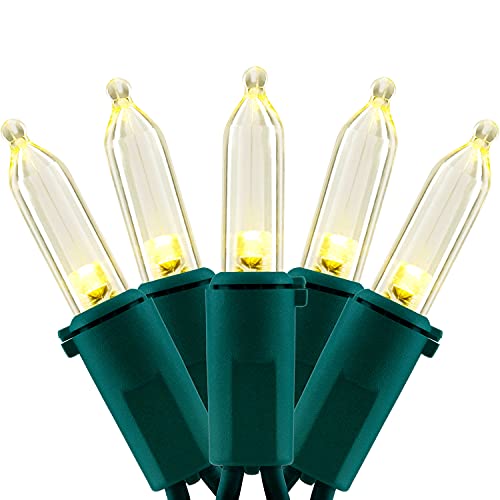
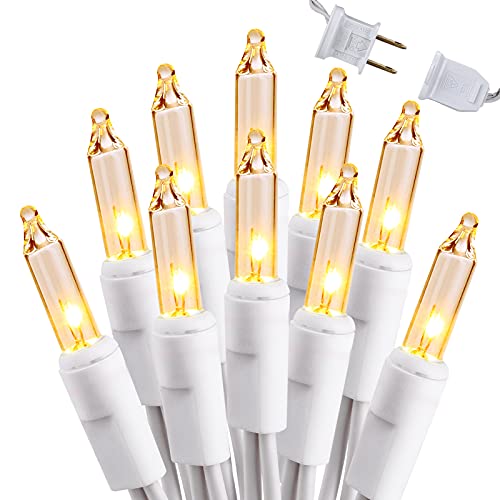
The one spec that actually pins down the tone is Kelvin, the unit of color temperature. Warm white LED sets typically sit around 2700K to 3000K, giving that golden, cozy look. Soft white overlaps the same range and sometimes runs a touch higher. Step up past 3500K and you leave both behind into cool white, which reads crisp and blue-leaning rather than amber. Lower Kelvin is always warmer; higher Kelvin is always whiter.
The amber, golden, candle-like glow and warm tone
What those Kelvin numbers translate to in the room is the tone your eye reads. At 2700K the glow is amber and candle-like, the warm tone people associate with a classic tree. At 3000K it is a warm neutral, still golden but a little brighter. Soft white usually lands in this same warm, golden band, which is why the two look so alike lit up.
Why the names are so confusing across brands
Here is the root of the confusion. Unlike warm white and cool white, which sit at clearly different ends of the color-temperature scale, warm white and soft white are marketing terms that overlap heavily and are not defined by any single standard. One brand's soft white may be identical to another's warm white, and a third may list both at the same Kelvin. That is why two boxes with different names can produce the same glow, and two with the same name can differ. The Kelvin number, when the maker prints it, cuts through the noise.
How to compare LED brightness and avoid mismatched string lights
Since the label is unreliable, judge the tone three better ways. First, read the Kelvin rating: 2700K is clearly golden, 3000K is a warm neutral, and anything above 3500K starts to read cool. Second, look at real lit photos from owner reviews rather than the styled product shot, because photos reveal the true tone and LED brightness. Third, if you are adding to an existing display, buy the same brand and product line you already own so the batch matches and your string lights do not look mismatched. These steps matter more than choosing warm or soft in the abstract.
Which should you buy for your Christmas tree?
Buy warm white if you want the safe, classic, golden Christmas glow and a name that reliably points to the cozy end of the scale — it is the default for a reason. Consider soft white if a specific set you like uses that label and its Kelvin or photos show the tone you want, since it is often the same or marginally brighter. Either way, commit to one tone across the whole display and buy enough in a single purchase to avoid a mismatched top-up later.
Shop warm white and white Christmas lights
Ready to buy? Our best warm white Christmas lights roundup covers real, top-rated amber-tone sets, and the best white Christmas lights guide covers the crisper cool-white end if you decide you want more contrast. For a tree specifically, see the best Christmas tree lights, and for the efficient base technology, best LED Christmas lights. More head-to-heads live in our buying guides and comparisons hub.
Our Picks