
Affiliate Disclosure
Some links on this page are affiliate links. As an Amazon Associate, we earn from qualifying purchases — at no extra cost to you. We do not buy, install, or physically handle the lights and decorations we cover; our rankings come from aggregated owner feedback and expert consensus, not first-hand testing. Commissions never change our verdicts. How we research · full disclosure.
Top 3 Picks
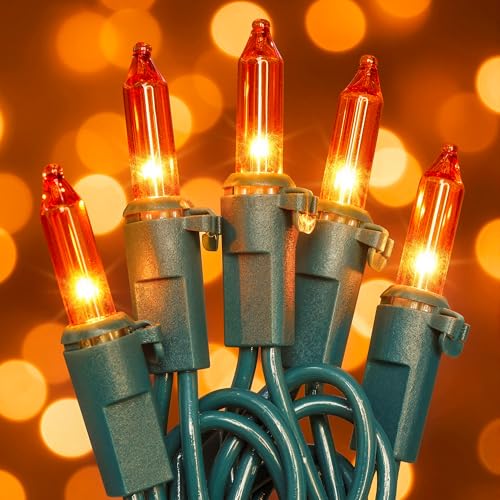
Orange Christmas lights read as warm, autumnal, and festive in a non-traditional way — closely tied to Halloween and harvest, and useful as a warm amber accent in a Christmas scheme. Orange describes the color of the bulb, not its size or technology, so you can buy it in mini, C7, and C9 bulbs and in LED (the usual choice for a vivid, consistent orange). This guide covers what orange signals on a display and the best uses, pairings, and themes for it.
What orange Christmas lights mean and their seasonal range
Orange is the color of fall and firelight. On a display it does not read as classic Christmas — it signals warmth, harvest, and a seasonal crossover, which is exactly what makes it useful. In its more golden form, amber, it blends toward warm white and adds a cozy, candlelit accent to a traditional scheme. In its more saturated form it reads clearly as Halloween orange. That range is orange's defining trait: one set can span autumn moods from spooky to rustic.
Best uses: Halloween, harvest and fall-to-winter crossovers
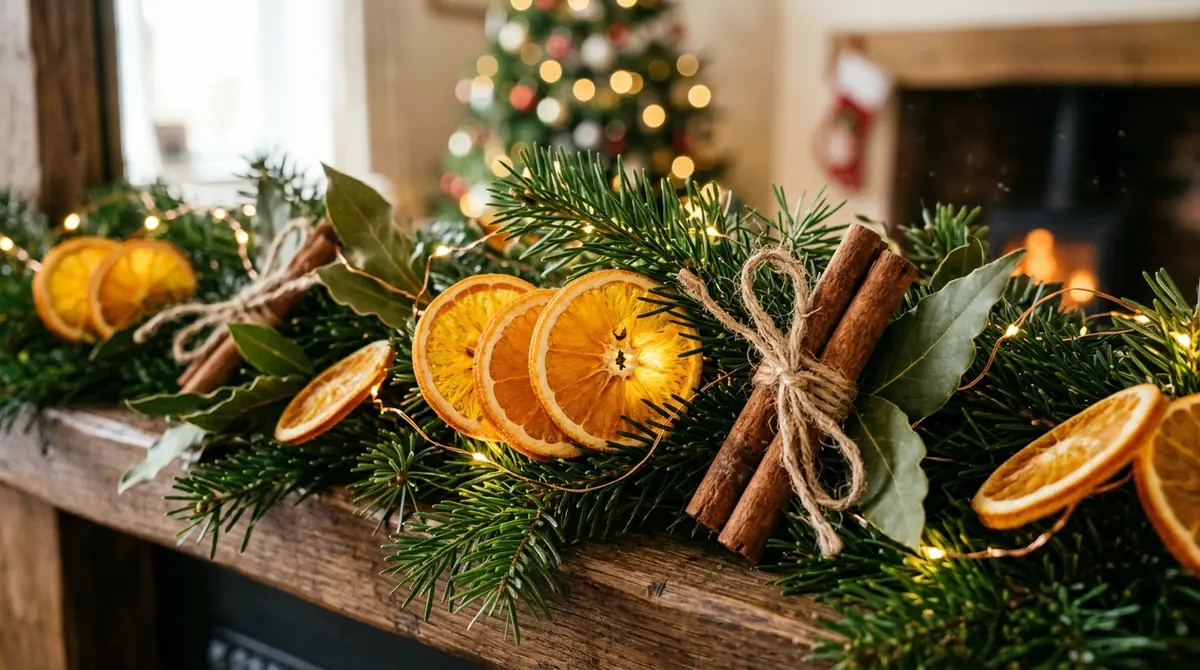
Orange is at its best across the fall season. It is a Halloween staple alongside purple, it carries into Thanksgiving and harvest displays with red and amber, and a warm amber orange then works as a firelit accent in a rustic Christmas scheme. That fall-to-winter reach is a real practical advantage: a single inexpensive orange or amber LED set can cover most of the decorating season rather than sitting in a box for eleven months. For a warm, cabin-style Christmas, a few amber strands mixed carefully with warm white read like candlelight.
Pairing orange with purple, warm white and red
Orange's pairings track the season. With purple and warm white it makes the classic Halloween palette; with red and amber it delivers a harvest and Thanksgiving look; and as an amber accent with warm white it adds firelit warmth to a rustic Christmas. The pairing to avoid is orange with cool white or blue, whose coolness clashes badly with orange's warmth.
| Pairing | Effect | Best for |
|---|---|---|
| Orange + purple + warm white | Classic Halloween | October displays |
| Orange + red + amber | Harvest, Thanksgiving | Fall and autumn scenes |
| Amber orange + warm white | Firelit, rustic | Cabin-style Christmas accents |
| Solid orange | Bold autumnal statement | Halloween-to-fall crossover |
Orange vs amber: getting the tone you want
The biggest choice with orange is how golden you want it. A true orange is saturated and unmistakably Halloween; an amber orange is warmer and softer and blends toward warm white for a subtler, candlelit effect. Sets use the words “orange” and “amber” loosely, so check owner photos taken at night to confirm the tone, and keep every connected strand the same brand and model so the color stays even along the run.
Buying orange Christmas lights with confidence
Decide between a saturated orange and a warmer amber, look for a set that names the tone rather than a generic label, and buy one brand and model across a connected run so the color stays consistent. Confirm a UL or ETL safety listing and an outdoor rating if the lights are going outside, and order a single set first to check the shade at night. Our best colored Christmas lights roundup compares real sets by owner ratings, and the best warm white Christmas lights guide is worth a look if you want amber to blend seamlessly into a warm Christmas scheme.
Our Picks