
Affiliate Disclosure
Some links on this page are affiliate links. As an Amazon Associate, we earn from qualifying purchases — at no extra cost to you. We do not buy, install, or physically handle the lights and decorations we cover; our rankings come from aggregated owner feedback and expert consensus, not first-hand testing. Commissions never change our verdicts. How we research · full disclosure.
Top 3 Picks
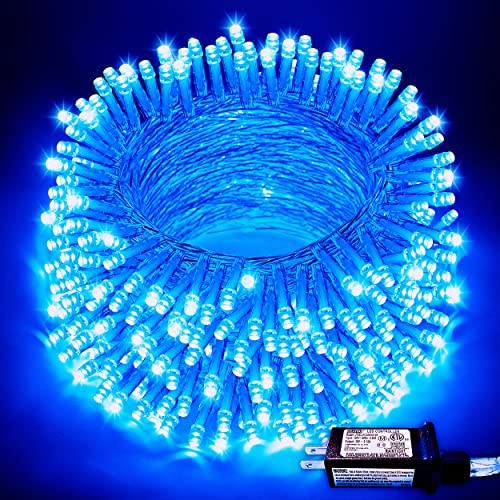
Blue Christmas lights read as cool, calm, and wintry — the anchor of an icy “winter wonderland” look and of the blue-and-white Hanukkah palette. Blue describes the color of the bulb, not its size or technology, so you can buy it in mini, C7, and C9 bulbs and in LED (the usual choice for a vivid, saturated blue). This guide covers what blue signals on a display and the best uses, pairings, and themes for it.
What blue Christmas lights mean and the mood they set
Where red is warm and high-energy, blue is cool and serene. It evokes ice, snow, and clear winter nights, which is why it has become the signature color of frosty, modern displays. Blue also carries meaning beyond aesthetics: paired with white it is the traditional color of Hanukkah, making it a staple for households that celebrate both holidays. Because blue is a receding, calming color, it can cover more of a display than a hot color like red without feeling overwhelming.
Best uses: winter wonderland, icicles and Hanukkah
Blue is made for a cool theme. It is the go-to for icicle lights dripping from a roofline, snowy yard scenes, and any “winter wonderland” look built around ice and frost. For Hanukkah, blue-and-white sets are the classic choice for windows, railings, and menorah-adjacent displays. Outdoors, blue holds its color well against a dark sky and reads clearly from the street, which makes it effective on rooflines and wrapped trees for a contemporary, cool-toned display.
Pairing blue with cool white, silver and teal
Blue's best partner is cool white, which sharpens the icy effect, along with silver accents for a frosty, modern scheme. Teal extends the palette toward a coastal, retro-cool look. The combination to avoid is blue with warm white on the same surface — the cool-versus-golden clash tends to look muddy rather than intentional. Keep warm tones on a separate surface if you want them in the overall display.
| Pairing | Effect | Best for |
|---|---|---|
| Blue + cool white | Icy winter wonderland | Icicles, rooflines, wrapped trees |
| Blue + white | Traditional Hanukkah | Windows, railings, indoor displays |
| Blue + silver / teal | Modern, frosty, coastal | Contemporary homes |
| Solid blue | Calm, cool statement | Single accent tree or bush |
Getting the right shade of blue
Blue is a color where the exact shade matters. A deep “royal” blue can lean slightly purple, while a lighter blue can look washed out, so check owner photos before buying. Blue can also appear dimmer than red or white at the same wattage because of how our eyes perceive it, which is worth keeping in mind for a large display. Choosing a quality set and keeping all connected strands the same brand avoids a patchy, mismatched blue.
Buying blue Christmas lights with confidence
Look for a set that names its shade — a true or royal blue — rather than a generic “blue,” and buy one brand and model across a connected run so the color stays consistent. Confirm a UL or ETL safety listing and an outdoor rating if the lights are going outside. Order a single set first to check the shade and brightness at night. Our best blue Christmas lights roundup compares real sets by owner ratings, and the best white Christmas lights guide covers the cool white you will likely pair with it.
Our Picks